

Reflections on Arizona: Care Across Borders
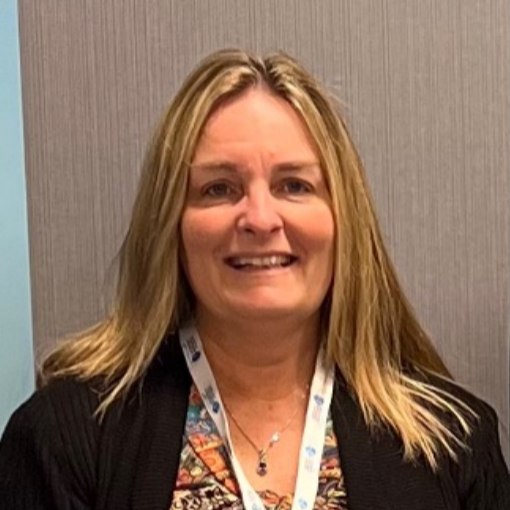
Written by: Carolyn Guarino
Manager of the Global Health Program and Global Health Academy

I hadn’t been to Tucson in many years, so I was grateful for the opportunity to spend time there before continuing on to Douglas and Bisbee, Arizona, along with Agua Prieta, Mexico, for site visits. Our hosts—Dr. Jon and Darlene Melk and Dennis Walto—were incredibly warm and welcoming, setting a positive tone for the entire experience.
In Bisbee and Douglas, I was struck by the number of vacant homes in Cochise County. It was difficult to see signs of decline in such historically rich communities and highlighted the challenges they face.
The visit to Community Health Centers, Inc. was especially impactful. The adult clinic, pharmacy, and administrative areas demonstrated how vital these services are, while also revealing struggles to recruit enough primary care and specialty physicians. Visits to the Bisbee Family Health Center and Bisbee Pharmacy reinforced the importance of accessible healthcare in rural areas.
The Pediatric Center of Excellence stood out with its bright, welcoming design and thoughtful details that help children feel at ease. The staff’s warmth and compassion were evident throughout.
We also visited the clinic in Elfrida, which highlighted the importance of maintaining access to care in remote communities. A farm visit with a husband-and-wife team emphasized how critical Community Health Workers are in providing on-site checkups, building trust, and addressing both health and social needs.
In Agua Prieta, our tour of the small Hospital General was eye-opening. Many patients lack insurance, and the hospital faces significant shortages of doctors and equipment. We also heard from the director of a children’s enrichment program, whose passion for her work was truly inspiring.
At the CAPTSCI Drug Rehabilitation Center, speaking with a patient who had been there for two years was powerful. With little outside support, individuals rely on one another to detox, manage care, and meet daily needs—creating a strong sense of family and community.
Seeing the U.S./Mexico border wall was another striking moment. The U.S. side was lined with barbed wire and military presence, while the Mexican side featured mural-covered panels, offering a stark and thought-provoking contrast.
Lastly, our stay at the Carrick Hotel added a special touch—its historic charm and walkable location made it a great choice.
Overall, this trip was eye-opening and inspiring, highlighting both the challenges and the dedication of those serving these communities.
I also believe there is a valuable opportunity for our students. Experiences like this show that healthcare disparities are not limited to foreign countries—they exist right here in the United States. Exposure to both sides of the border can deepen understanding, build compassion, and better prepare them to address health inequities in their future careers.


